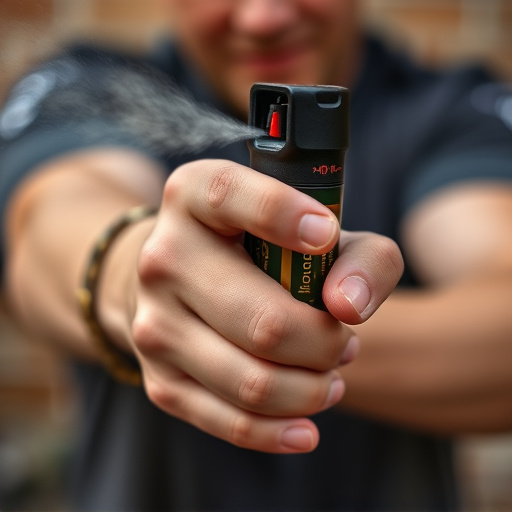
Pepper spray is a powerful self-defense tool that temporarily disables attackers through capsaicin. To maximize its effectiveness, individuals should understand the spray's range (2-3 meters), learn proper deployment techniques including aiming and breathing, and practice decontamination methods. Regular training sessions are crucial for improving response times and safety in challenging scenarios. Choosing the right pepper spray involves matching product features to specific needs, and staying informed about local regulations is vital for responsible usage. Responsible use includes safe storage, regular maintenance, understanding deployment limits, and adhering to disposal guidelines to avoid misuse or harm.
Personal safety is paramount, especially in today’s unpredictable world. One powerful tool that can provide a crucial advantage is inflammatory pepper spray. This article guides you through essential aspects of pepper spray defense, from understanding its composition and effectiveness to choosing the right spray for your needs. We’ll explore practical application tips, safety considerations, and legal implications, offering valuable insights for those seeking Pepper Spray Defense Training Tips.
- Understanding Pepper Spray: Its Composition and Effectiveness
- Choosing the Right Pepper Spray for Your Needs
- Practical Application and Safety Tips for Pepper Spray Defense
- Legal Considerations and Responsible Use of Pepper Spray
Understanding Pepper Spray: Its Composition and Effectiveness
Pepper spray, a powerful self-defense tool, is designed to incapacitate an attacker temporarily and create an escape route. Its composition includes capsaicin, a chemical derived from chili peppers, which irritates the eyes, nose, and respiratory system when inhaled. This irritation leads to temporary blindness, coughing, and difficulty breathing, allowing the user to flee or gain help.
Effective pepper spray defense training tips include understanding its range (typically 2-3 meters), learning how to deploy it correctly (aim for face and eyes), and practicing proper decontamination techniques afterward. Regular practice sessions can significantly improve response time and overall effectiveness during an emergency situation, ensuring individuals are prepared to defend themselves and increase their chances of safety.
Choosing the Right Pepper Spray for Your Needs
Choosing the right pepper spray is a crucial step in equipping yourself for personal safety. Consider your specific needs and environment when selecting a product. Pepper spray comes in various strengths, from mild to extra-strong, so decide on the level of force you require. Factors like range, accuracy, and ease of use are also essential. For example, if you’re concerned about close-quarters encounters, a shorter range spray with excellent accuracy might be more suitable. Alternatively, if you need protection during outdoor activities or in wide open spaces, opt for a longer-range option.
Training tips can significantly enhance your effectiveness when using pepper spray. Familiarize yourself with the spray’s mechanism and practice aiming techniques. Learn about safe handling procedures to avoid accidental discharge. Additionally, understanding the legal implications of carrying pepper spray in your area is vital. Stay informed about local regulations to ensure you’re using it responsibly and within the law, providing you with a powerful tool for self-defense and peace of mind.
Practical Application and Safety Tips for Pepper Spray Defense
Personal safety is a top priority, and learning how to effectively utilize pepper spray can be a powerful tool for self-defense. When it comes to practical application, Pepper Spray Defense Training Tips involve understanding range and aiming. Hold the canister at arm’s length, pointing towards your target’s face, and pull the nozzle to release the spray. Practice deep breathing or use a shield to protect yourself from wind or cross-contamination.
Safety is paramount; always store pepper spray out of reach of children and in a cool, dry place. Keep it charged and regularly inspect for any signs of damage or expiration dates. Remember, proper usage requires confidence and practice, so consider joining self-defense classes or seeking professional training to ensure your safety and the effectiveness of your pepper spray defense.
Legal Considerations and Responsible Use of Pepper Spray
When considering the legal implications of carrying pepper spray, it’s crucial to understand that regulations vary widely across jurisdictions. In many regions, self-defense is a legitimate reason for possessing and using pepper spray, but strict rules about age restrictions, quantity allowed, and public vs. private use exist. Prior to purchasing, individuals should research local laws and obtain any necessary permits.
Responsible use of pepper spray involves adhering to safety protocols and ethical guidelines. Pepper spray defense training tips include learning the right application techniques, understanding range limitations, and knowing when it’s appropriate to deploy. It’s essential to store pepper spray securely, keep it out of reach of children, and dispose of it responsibly to avoid accidental misuse or environmental harm.
Personal safety is a top priority, and pepper spray can be a powerful tool in your defense arsenal. By understanding its composition, choosing the right product for your needs, and learning practical application techniques, you can enhance your ability to protect yourself. Remember, proper training and responsible use are essential when it comes to pepper spray defense. Stay informed about local legal considerations and always prioritize safety when carrying and deploying this effective self-defense mechanism.