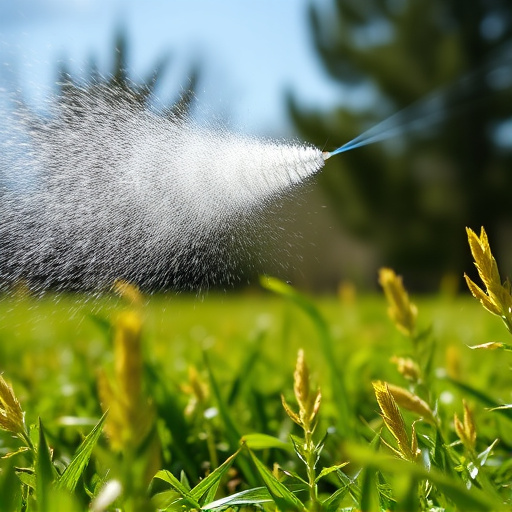
Pepper spray, a legal force option for security & law enforcement, requires specialized training focusing on understanding its active ingredient (capsaicin), proper application techniques, and risk assessment. Essential training tips emphasize selecting durable sprayers, maximizing impact during high-pressure situations, and ensuring safety through storage, usage, and decontamination practices to deter threats effectively while minimizing harm.
In today’s uncertain world, self-defense tools like inflammatory riot control spray dispensers have become essential for personal safety. This comprehensive guide delves into all aspects of pepper spray defense training tips. We explore the science behind pepper spray, its composition and effectiveness, and navigate the legal landscape to understand when and where its use is permitted. Learn about crucial features to consider when choosing a dispenser, discover proper training techniques to maximize impact, and gain essential maintenance and safety insights for effective storage and usage.
- Understanding Pepper Spray: Its Composition and Effectiveness
- Legal Considerations: When and Where Can You Use Riot Control Spray?
- Choosing the Right Dispenser: Features to Look Out For
- Proper Training Techniques: Maximizing its Impact During Self-Defense Situations
- Maintenance and Safety: Tips for Storing and Using Your Pepper Spray Effectively
Understanding Pepper Spray: Its Composition and Effectiveness
Pepper spray, a key component in riot control and personal defense strategies, is a chemical agent designed to disrupt normal bodily functions when deployed. Its primary active ingredient is capsaicin, the same compound that gives chili peppers their heat. This irritant triggers nerve endings, causing an intense burning sensation, temporary blindness, and difficulty breathing. The spray’s effectiveness lies in its ability to immobilize individuals without causing permanent harm, making it a valuable tool for law enforcement and self-defense situations.
When it comes to pepper spray defense training tips, understanding the composition is crucial. Knowing that capsaicin triggers nerve responses allows users to prepare for the intense but temporary effects. Training should focus on proper application techniques, including distance, angle, and duration of spray use. Regular practice ensures individuals can deploy the spray effectively during high-stress scenarios, enhancing their ability to defend themselves or control disturbances.
Legal Considerations: When and Where Can You Use Riot Control Spray?
When and where can you legally deploy riot control spray? The use of pepper spray, also known as oleoresin capsicum (OC) spray, is governed by strict legal frameworks designed to balance public safety with individual rights. In many jurisdictions, law enforcement agencies and private security personnel are authorized to use pepper spray under specific circumstances. Typically, this includes situations where individuals pose an imminent threat, are resistant to other control methods, or present a danger to others.
Key considerations involve the need for proportionality and reasonableness in force application. Training in pepper spray defense is crucial, providing individuals with essential skills and knowledge about when and how to use the spray effectively while minimizing harm. Understanding local laws and guidelines regarding riot control spray usage is paramount for those involved in public safety roles, as it ensures compliance and helps maintain a delicate balance between maintaining order and upholding civil liberties.
Choosing the Right Dispenser: Features to Look Out For
When selecting a riot control spray dispenser, it’s crucial to consider several key features that will ensure its effectiveness in high-pressure situations. Look for models with robust construction, as durability is paramount when facing hostile environments. The spray pattern should be wide and consistent, covering a large area to maximize impact and disorientation. A reliable trigger mechanism that responds quickly under stress is essential, allowing users to deploy the spray accurately even in chaotic settings.
Additionally, weight and balance are important factors. A lighter dispenser reduces fatigue during prolonged use, enabling officers or individuals to maintain control for extended periods. Consider models with ergonomic designs that fit comfortably in the hand, enhancing grip and aim. For those involved in Pepper Spray Defense Training Tips, these features can make a significant difference in performance and safety during simulations and real-world applications.
Proper Training Techniques: Maximizing its Impact During Self-Defense Situations
Effective use of an inflammatory riot control spray dispenser, often referred to as pepper spray, in self-defense situations heavily relies on proper training techniques. The key is not just to teach individuals how to deploy the spray but also when and why it’s the best option for de-escalation and defense. Comprehensive Pepper Spray Defense Training Tips should include scenarios that mimic real-life conflicts, teaching users to assess risks, understand wind patterns, and practice aiming accurately under stress.
Regular drills in controlled environments can significantly maximize the impact of pepper spray during actual self-defense encounters. It’s crucial for trainers to emphasize the importance of proper handling and deployment techniques, including distance considerations, target areas, and understanding the spray’s duration and effects. Through rigorous training, individuals can gain confidence, ensuring they use pepper spray as a last resort while maximizing its effectiveness in deterring potential attackers.
Maintenance and Safety: Tips for Storing and Using Your Pepper Spray Effectively
Maintenance and Safety
Proper storage and routine maintenance are key to ensuring your pepper spray remains effective when you need it most. Store your dispenser in a cool, dry place away from direct sunlight or extreme heat. Keep it out of reach of children and pets. Regularly inspect the canister for any signs of damage, corrosion, or leaks. Replace the nozzle cover after each use to prevent contamination and ensure the spray mechanism functions correctly. Remember, proper Pepper Spray Defense Training Tips include understanding how to properly maintain your equipment, so you’re always prepared when facing potential threats.
When using pepper spray, prioritize safety first. Be aware of your surroundings; ensure you have a clear escape route and are in an area with good ventilation. Aim for the eyes, nose, and mouth—these sensitive areas will neutralize the opponent quickly. Never point the spray at someone unless you intend to use it, as accidental discharge can cause serious harm or even blindness. After use, wash your hands thoroughly and launder any clothing that may have come into contact with the spray. This not only ensures your safety but also prevents any adverse reactions from residual chemicals.
Pepper spray, a powerful tool in personal defense, offers a non-lethal way to deter and incapacitate attackers. By understanding its composition, legal framework, and proper usage techniques through effective training, individuals can enhance their safety and security. When choosing a dispenser, look for durable construction and user-friendly features. Proper maintenance and safe storage practices ensure the spray remains potent and reliable when needed most. Armed with these defense training tips, users can confidently employ pepper spray as a last resort to protect themselves in various situations.